
Sabarimala Revenue Crosses ₹210 Crore; Kerala-Style Meals from December 21
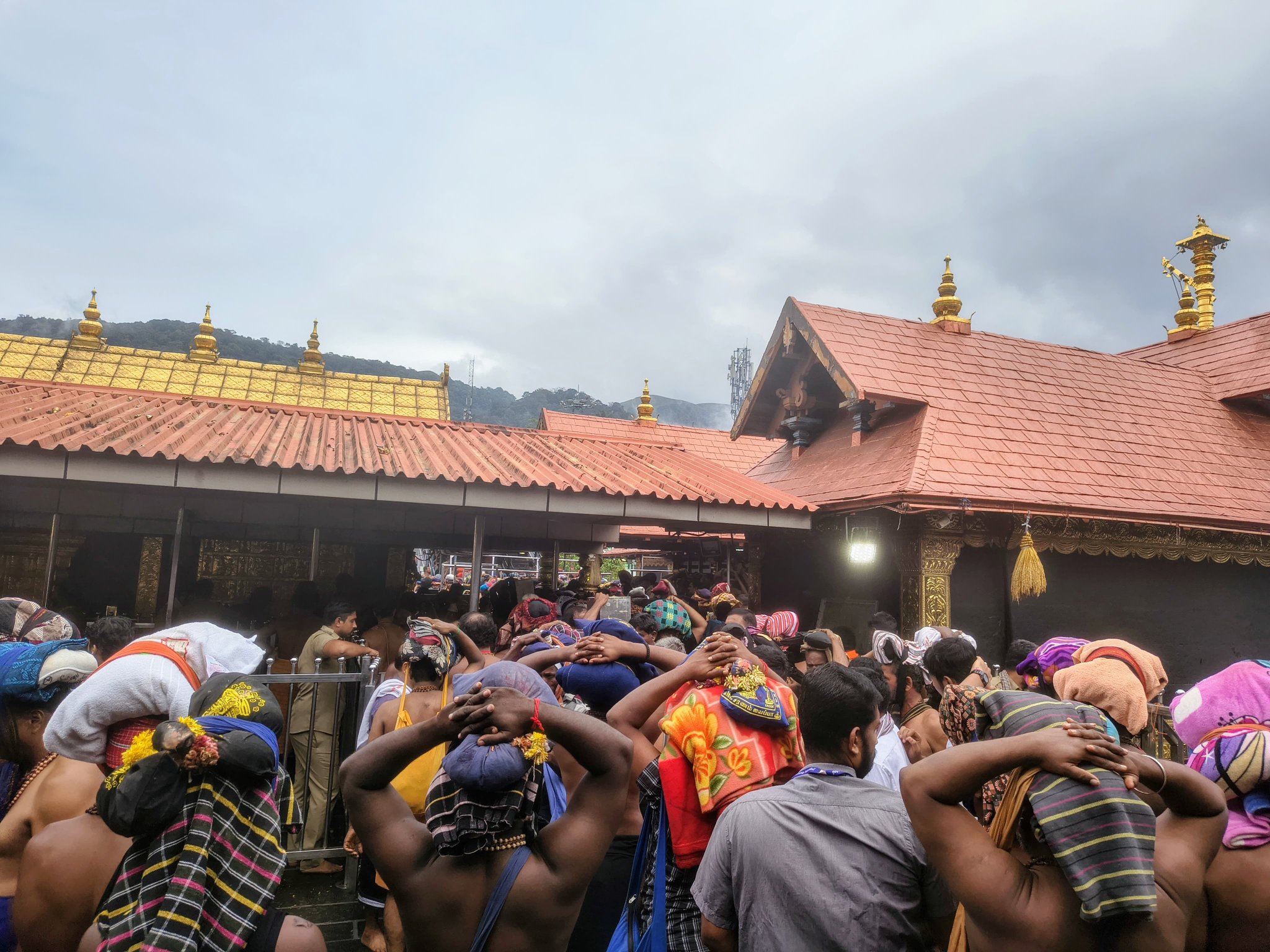
Pathanamthitta: Revenue from the ongoing Sabarimala pilgrimage season has crossed ₹210 crore so far, with ₹106 crore generated from aravana sales. This marks a significant increase compared to previous years, Travancore Devaswom Board (TDB) President K. Jayakumar said on Wednesday.
Speaking to the media after a review meeting with Devaswom officials, Jayakumar said the pilgrimage season has progressed smoothly, with no major disruptions. He attributed this to better planning and effective coordination among various agencies.
Makaravilakku preparations and safety
Devaswom Minister V.N. Vasavan will chair a review meeting to assess preparations for the Makaravilakku festival. Special attention will be given to ensuring devotee safety during the Makara Jyoti darshan. Authorities have strengthened safety measures and advised pilgrims to avoid unsafe and overcrowded areas.
Annadanam arrangements
Efforts are underway to resolve logistical issues related to annadanam (free meals). Traditional Kerala-style meals are planned to be introduced at Sabarimala from December 21, Jayakumar said.
Spot booking policy
Regarding spot booking, Jayakumar said there is no rigid policy, as the court has allowed flexibility. Decisions will be based on the flow of devotees, while the current daily cap of 5,000 spot bookings will remain for now.
Master plan and future projects
Preparations for the next pilgrimage season have already begun. A detailed meeting on the Sabarimala master plan will be held at the Devaswom headquarters in Thiruvananthapuram on Thursday.
Projects that can be completed within one year will be prioritised, while proposals planned for 2026–27 will also be reviewed. Funding will be mobilised through central government assistance, sponsorships, and other sources.
Aravana production and technology upgrades
As part of the master plan, the TDB is considering setting up an additional aravana production unit, which could increase daily capacity to four to five lakh units.
The board also plans to strengthen crowd management using modern technologies such as artificial intelligence and GPS-based systems, in line with court directives. A technical master plan is being prepared to ensure a safer and smoother pilgrimage experience.