
Audit Report Confirms No Loss to Devaswom Board in Ashtabhishekam Offerings at Sabarimala
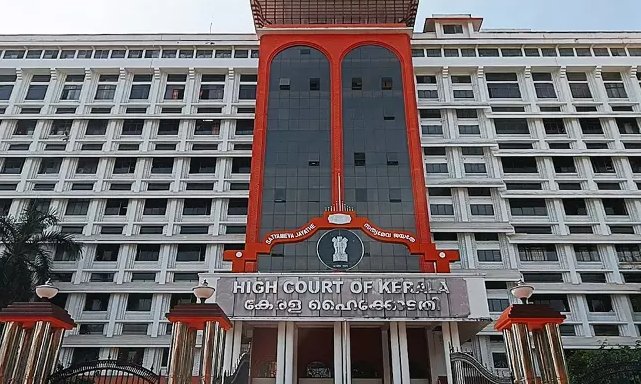
Kochi: The State Audit Department has informed the Kerala High Court that the Devaswom Board has not suffered any financial loss in connection with the Ashtabhishekam offering at Sabarimala.
In its report submitted before the court, the audit department stated that the entire amount collected for the Ashtabhishekam ritual is properly credited to the Devaswom fund. It further clarified that allocating ₹300 per offering to the Administrative Officer for the purchase of ritual items such as tender coconut, milk, and rose water does not result in any loss to the Devaswom fund.
At the same time, the audit department has recommended the introduction of a more robust and systematic accounting mechanism for such transactions.
The report was submitted in the backdrop of a Vigilance report alleging irregularities in the conduct and financial management of rituals, including Ashtabhishekam. Based on these concerns, the High Court had earlier directed the production of all records related to Ashtabhishekam, Mahanivedyam, Ganapathi Homam, and other offerings for the past ten years.
The Senior Deputy Director of the State Audit Department prepared the report after examining accounts related to Ashtabhishekam for the period from 2016–17 to 2025–26. According to the findings, a total of 31,313 Ashtabhishekam offerings were conducted at Sabarimala during this period. Under the “supplier cost” category, the Administrative Officer had received a total of ₹93,93,900.
The audit also placed on record the details and official tenures of Executive Officers, Administrative Officers, and Main Store Superintendents who served in the Sabarimala group between 2016 and 2026, along with the affidavit submitted to the court.
According to the report, out of the ₹6,000 collected from devotees as an offering (Vazhipadu) fee, ₹300 is allocated for purchasing pooja materials. While five of the eight items required for the Ashtabhishekam are supplied from the Devaswom store, the remaining three—milk, tender coconut, and rosewater—are purchased directly by the Administrative Officer. The affidavit also highlights the Vigilance department's finding that this ₹300 was claimed as a 'supplier cost' without submitting proper bills or vouchers for the purchases. Previously, when devotees brought the materials themselves, poor quality items often caused damage to the idol. To prevent this, the Board transitioned to a system where they supply the materials directly.
The Administrative Officer, after verifying the relevant registers, stated that no items for Ashtabhishekam were received through sponsorships or donations. Officials also explained that perishable items such as milk, tender coconut, and rose water cannot be stored in large quantities and must be procured fresh to ensure quality.
However, the audit department observed that purchase bills and supporting documents for the supplier cost were not produced, and no stock register or ledger was maintained for the items directly procured. It therefore recommended strict directions to ensure a proper accounting system is put in place.
The report also suggested that, considering the current distribution system, the feasibility of supplying these three items—milk, tender coconut, and rose water—through the Devaswom central store should be examined.